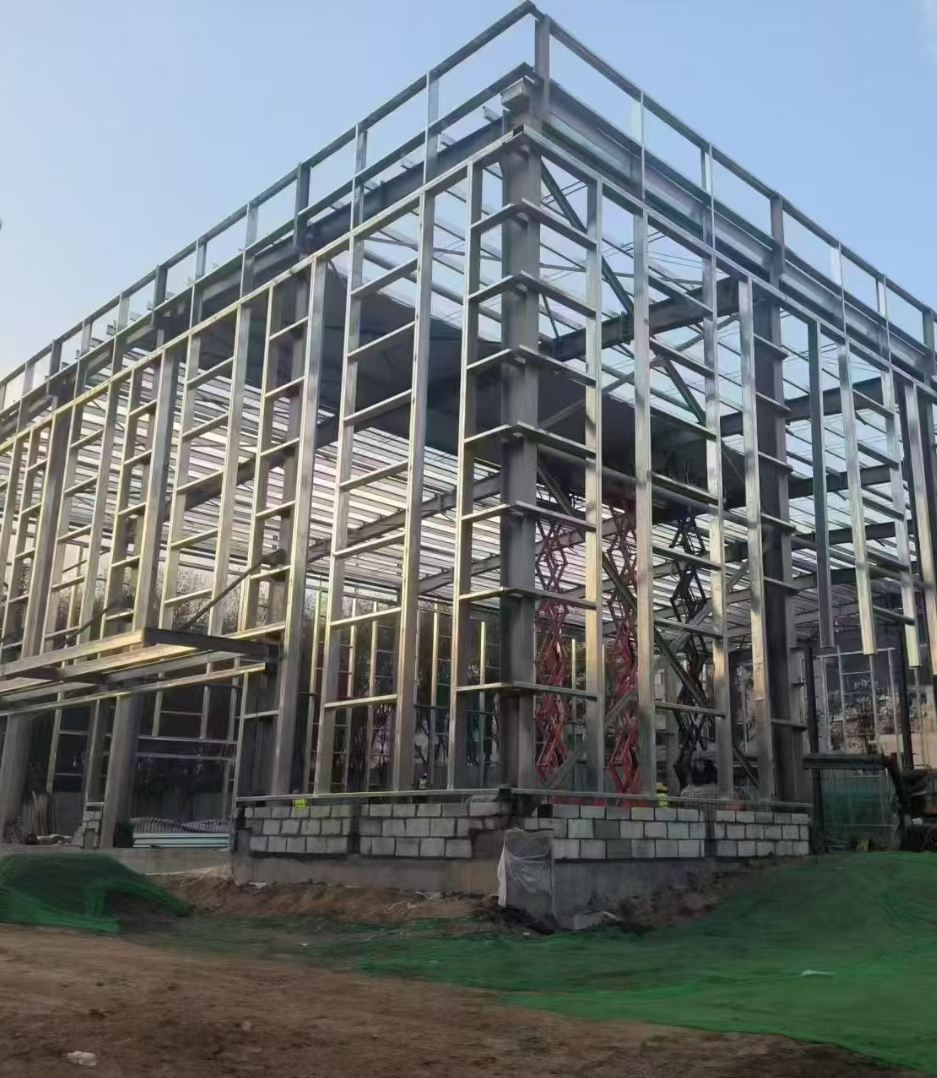
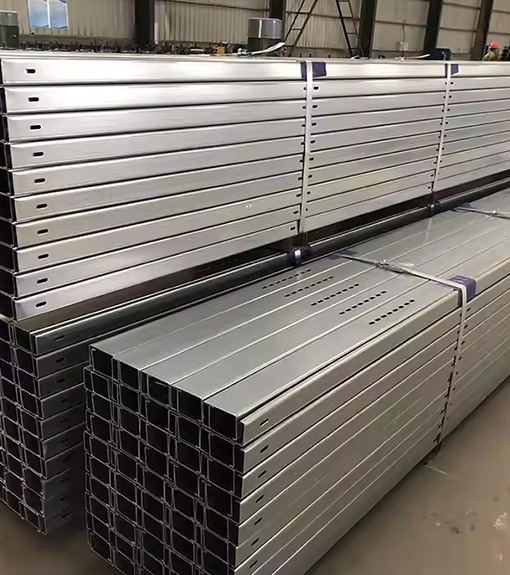
Steel Structures: The Versatile Backbone of Modern Industry and Warehousing
When you're planning a significant construction project, whether it's a bustling factory floor, a sprawling steel structure warehouse, or a specialized industrial facility, the foundation of its success lies in its structural integrity. In today's construction landscape, steel structures have emerged as a go-to solution, and for good reason. They offer a compelling blend of strength, speed, and adaptability that’s hard to beat. But what exactly makes them so popular, and how do you navigate the complexities of choosing and implementing them?
Why Choose Steel? Beyond Just Strength
Sure, steel is strong. Really strong. But its advantages go much deeper than just its impressive tensile strength.
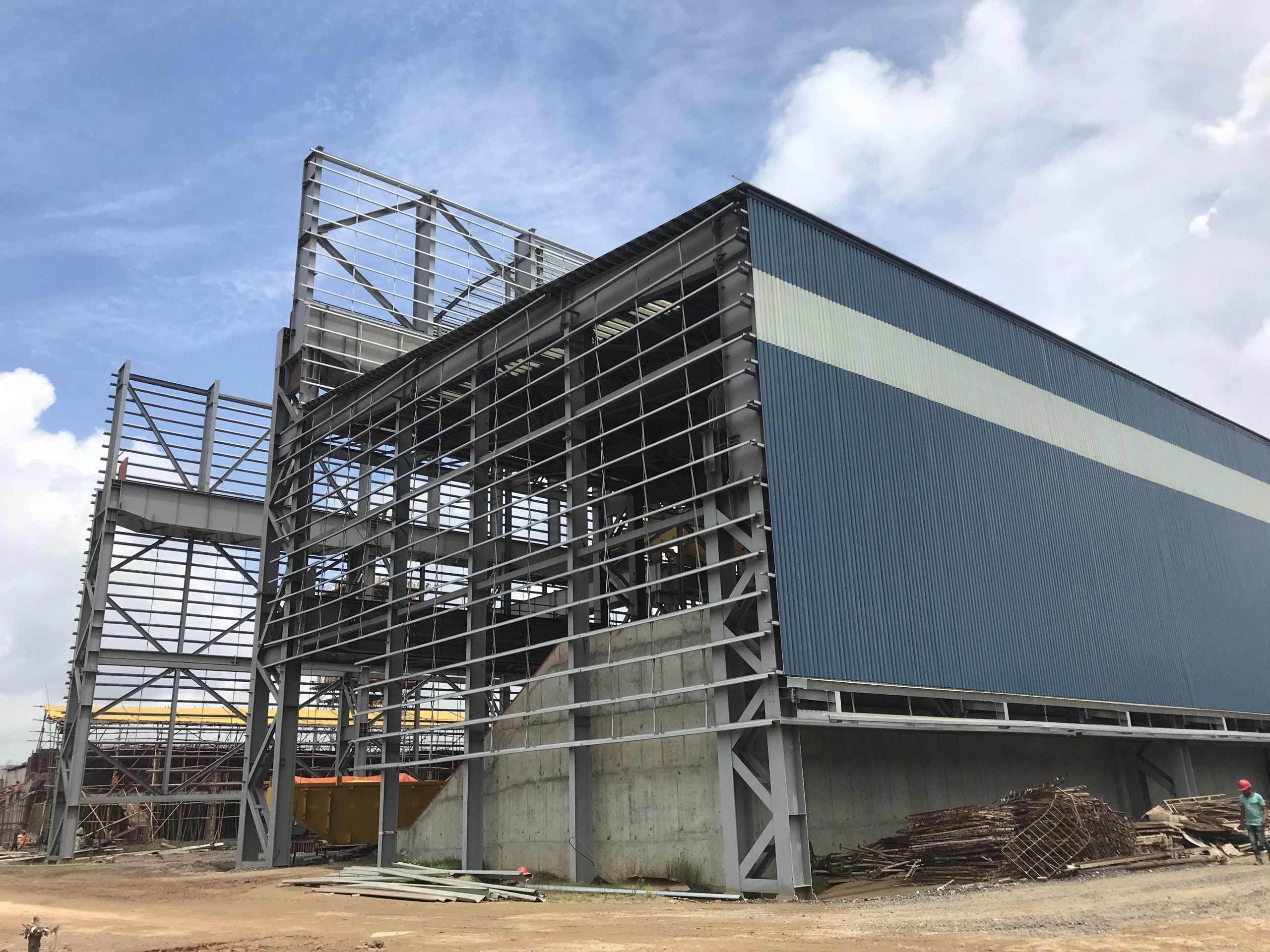
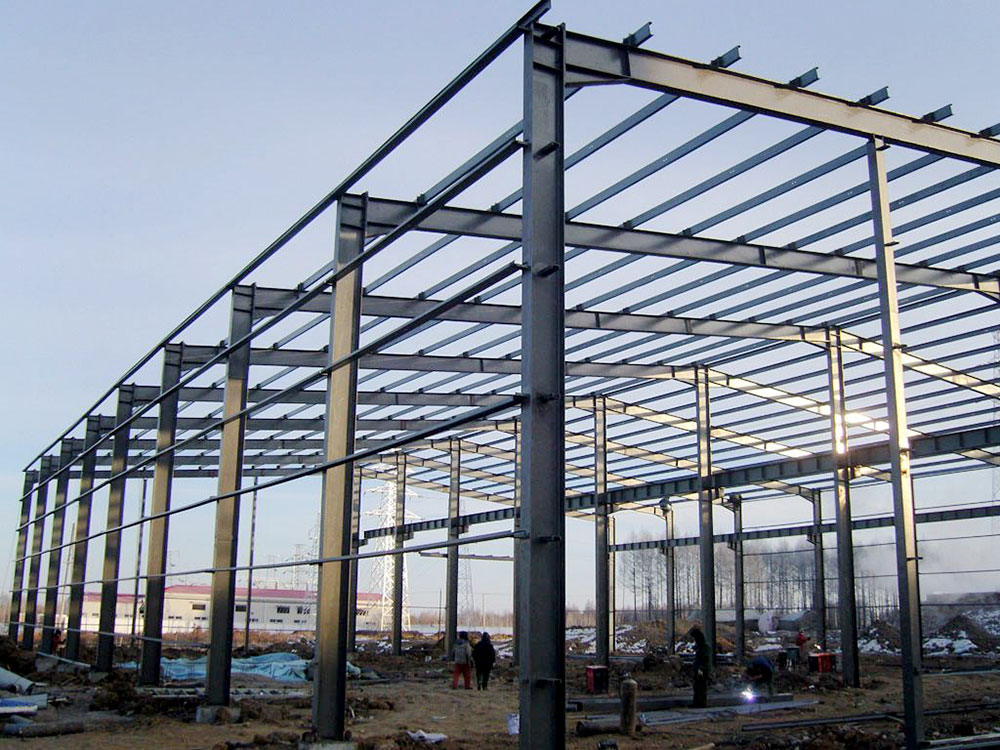
Speedy Construction: Think about your project timeline. Delays cost money. This is where steel truly shines. Components are fabricated off-site in a controlled environment, meaning they arrive ready for assembly. This prefabrication dramatically cuts down on-site construction time. Imagine getting your steel structure workshop up and running weeks, even months, ahead of schedule compared to traditional methods.
Adaptability for Growth: Businesses evolve. Your facility needs to keep pace. Steel's inherent design flexibility, thanks to bolted connections, makes future expansions or modifications relatively straightforward. Adding another bay to your steel structure warehouse or reconfiguring internal layouts is far less disruptive than with other materials.
Cost-Effectiveness Over Time: While initial material costs are a consideration, the long-term picture often favors steel. Faster construction means lower labor costs and quicker ROI. Plus, steel's durability and low maintenance needs translate into reduced operational expenses over the building's lifespan. For projects in regions like Australia, sourcing fabricated steel from overseas can offer substantial savings without compromising quality, provided you partner with a reputable supplier.
Resilience in Tough Environments: Steel's ductility makes it naturally suited for areas prone to seismic activity. It can absorb significant energy during an earthquake, offering a higher level of safety. Furthermore, with the right protective coatings, steel structures can withstand harsh environmental conditions, from high humidity in Southeast Asia to the corrosive salt air of coastal regions.
Tackling the Common Concerns: Pain Points and Real-World Solutions
It's natural to have questions. Here’s how common concerns about steel structures are addressed:
The Rust Factor (Corrosion): This is probably the most frequent worry. Steel can indeed rust if not protected. However, modern solutions are highly effective. Advanced coating systems, including multi-layer paint applications and galvanization, are standard practice. For demanding environments, like a steel structure warehouse located near the sea, specialized coatings designed to withstand C5-M (very high marine) conditions are readily available and crucial for longevity.
Fire Safety: Steel is non-combustible, but it does lose strength at high temperatures. Building codes mandate fire protection measures tailored to the building's use. Options like intumescent coatings, spray-applied fireproofing, or concrete encasement ensure that your structure meets safety standards, providing adequate time for evacuation and firefighting.
Initial Investment: Sometimes, the upfront cost can seem higher. But it's essential to look at the total project cost and lifecycle. The speed of erection, reduced foundation requirements (due to steel's high strength-to-weight ratio), and lower long-term maintenance often make steel a more economical choice overall.
Applications: Where Steel Structures Shine
The versatility of steel structures means they are found across a vast array of applications:
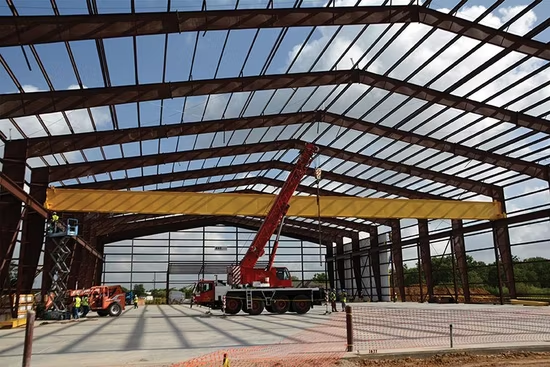
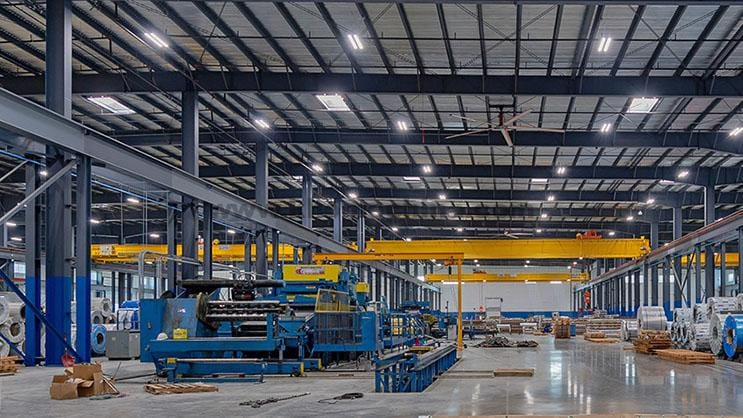
Industrial Facilities & Workshops: The ideal choice for factories, manufacturing plants, and steel structure workshops where clear spans, heavy load-bearing capacity (like for overhead cranes), and rapid construction are critical.
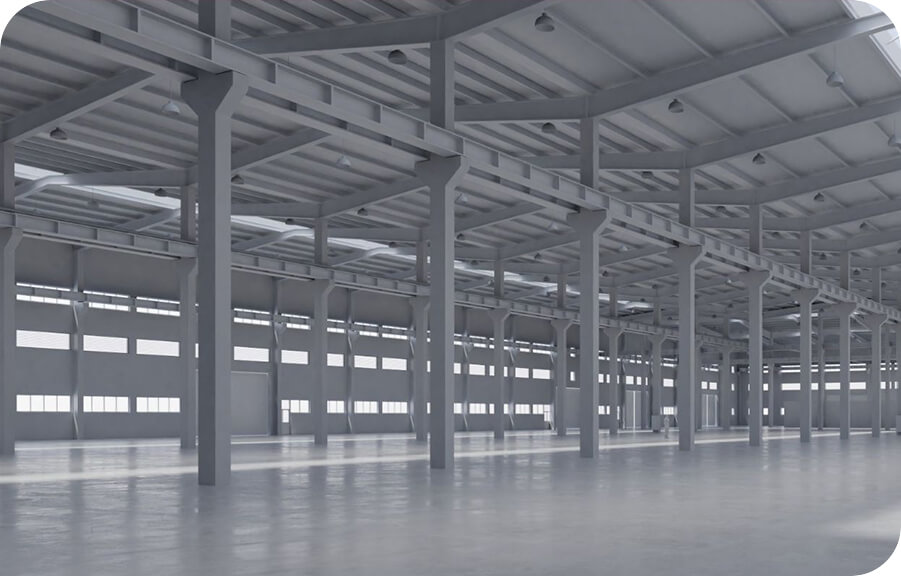
Warehousing & Logistics: Large, open-plan steel structure warehouses are perfect for maximizing storage space and facilitating efficient movement of goods. Their speed of erection allows businesses to expand their logistical capabilities quickly.
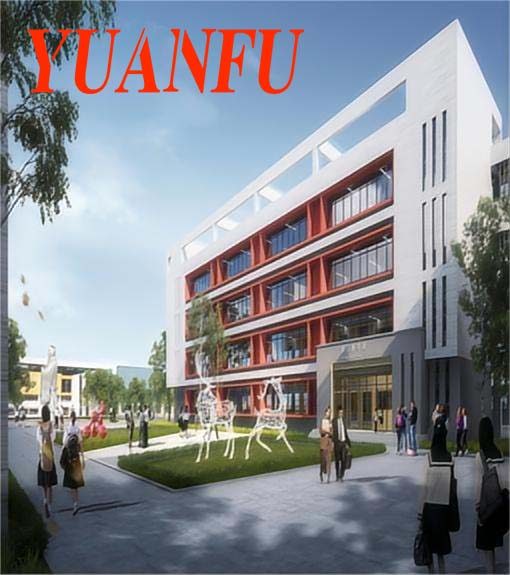
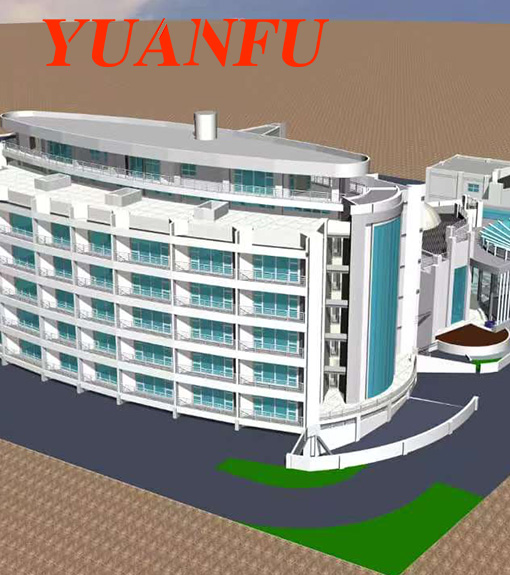
Commercial Buildings: From multi-story office buildings to retail centers, steel frames provide the structural backbone.
Infrastructure: Bridges, stadiums, and airport terminals frequently utilize steel for its strength and ability to span large distances.
The Construction Journey: From Blueprint to Reality
Building with steel, especially with pre-engineered solutions, is a well-defined process:
Design & Engineering: This is where your specific needs are translated into detailed technical drawings, ensuring compliance with international standards (like AISC, AS 4100, or Eurocode) and local regulations.
Fabrication: Precision is key. Components are manufactured in a controlled factory setting, guaranteeing quality and dimensional accuracy.
Transportation: Carefully packed components are shipped to your site.
Erection: A specialized crew assembles the structure, often with remarkable speed.
Completion & Warranty: The project is handed over, typically with a comprehensive warranty package, giving you peace of mind.
Choosing the right steel structure provider is vital. Look for expertise in your specific application (be it a warehouse or workshop), a commitment to quality standards, and a clear understanding of regional requirements. With the right partner, your steel structure project will be a solid, efficient, and long-lasting investment.
Frequently Asked Questions (FAQs) about Steel Structures
Q1: What's the real difference between a standard steel structure and a pre-engineered building (PEB)?
A: Think of it this way: a PEB is a specialized type of steel structure. It's designed and manufactured as a standardized, optimized system by a single supplier. This integration of primary frames, secondary framing, and cladding allows for maximum efficiency, reduced waste, and faster, more cost-effective delivery, especially for single-story industrial or commercial buildings. A conventional steel structure offers more custom design freedom and is typically used for more complex, multi-story, or heavy-industrial applications where an independent engineer designs it, and a fabricator builds it.
Q2: How long can I realistically expect a steel structure to last, and what kind of maintenance is involved?
A: With proper design, fabrication, and maintenance, a structural steel frame is built to last. International codes generally specify a design life of 50 years, but well-maintained structures commonly see lifespans of 80-100 years or even more. Maintenance is quite manageable: annual visual checks of the exterior, periodic coating inspections (every 2-3 years), and a more thorough structural inspection every five years are usually sufficient. This predictable maintenance profile is a significant advantage over materials like concrete, which can experience more unpredictable issues like cracking or rebar corrosion over time.
Q3: Are steel structures a sustainable choice for construction?
A: Absolutely! Steel has strong green credentials. It's highly recyclable (over 98% of structural steel is recycled without quality loss), meaning it has a minimal impact on landfills. When produced using Electric Arc Furnaces (EAF), it also has a significantly lower embodied carbon footprint compared to traditional steelmaking. Furthermore, the precision of factory fabrication leads to less construction waste on-site, and the bolted connections allow for "Design for Disassembly," making structures easier to deconstruct and reuse at the end of their life.
Q4: How does climate impact the design of steel structures, especially in regions like Southeast Asia?
A: Climate is a critical factor! In Southeast Asia, for example, high humidity and coastal proximity mean corrosion is a major concern, often requiring advanced, multi-layer coating systems (like C5-M rated) and galvanized secondary steel. Intense tropical UV rays also necessitate UV-stabilized topcoats for cladding to prevent degradation. Additionally, areas prone to typhoons need structures designed to withstand very high wind loads, following specific local codes. Understanding and addressing these climate-specific challenges from the outset is key to ensuring the longevity and performance of your steel structure.